
Introduction
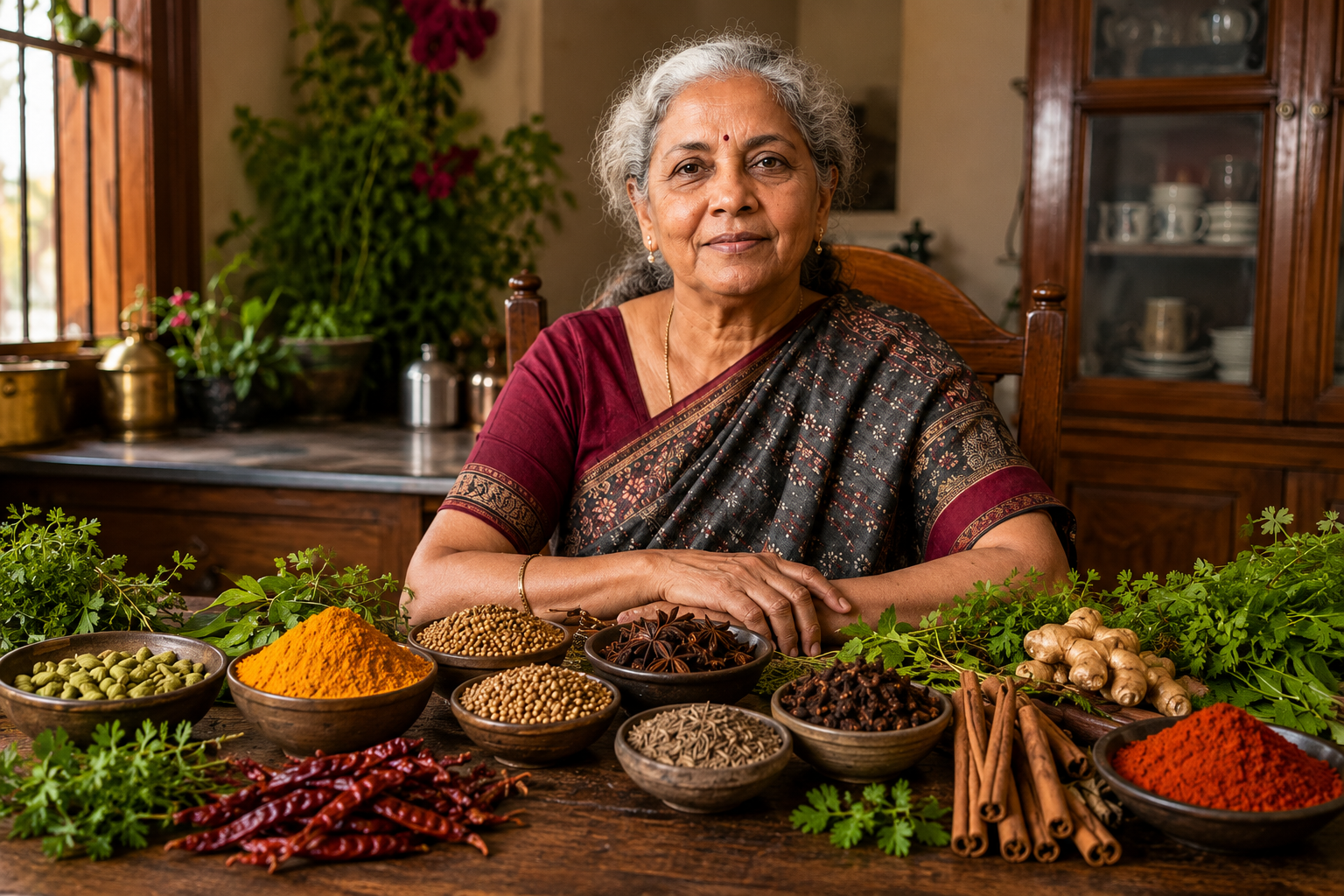
Long before wellness apps and supplement aisles existed, Indian kitchens were already running quiet little pharmacies disguised as dinner. Every region developed its own logic of spice and season, food that nourished the body just as much as it satisfied the tongue.
This wasn’t a trend — it was wisdom passed down through generations of hands that never wrote a cookbook but somehow always knew exactly what to cook when the season turned or the body needed care. Let’s take a tour through three dishes that prove healing and flavor were never separate ideas in India.

Nihari: The Slow-Cooked Comfort of Old Delhi
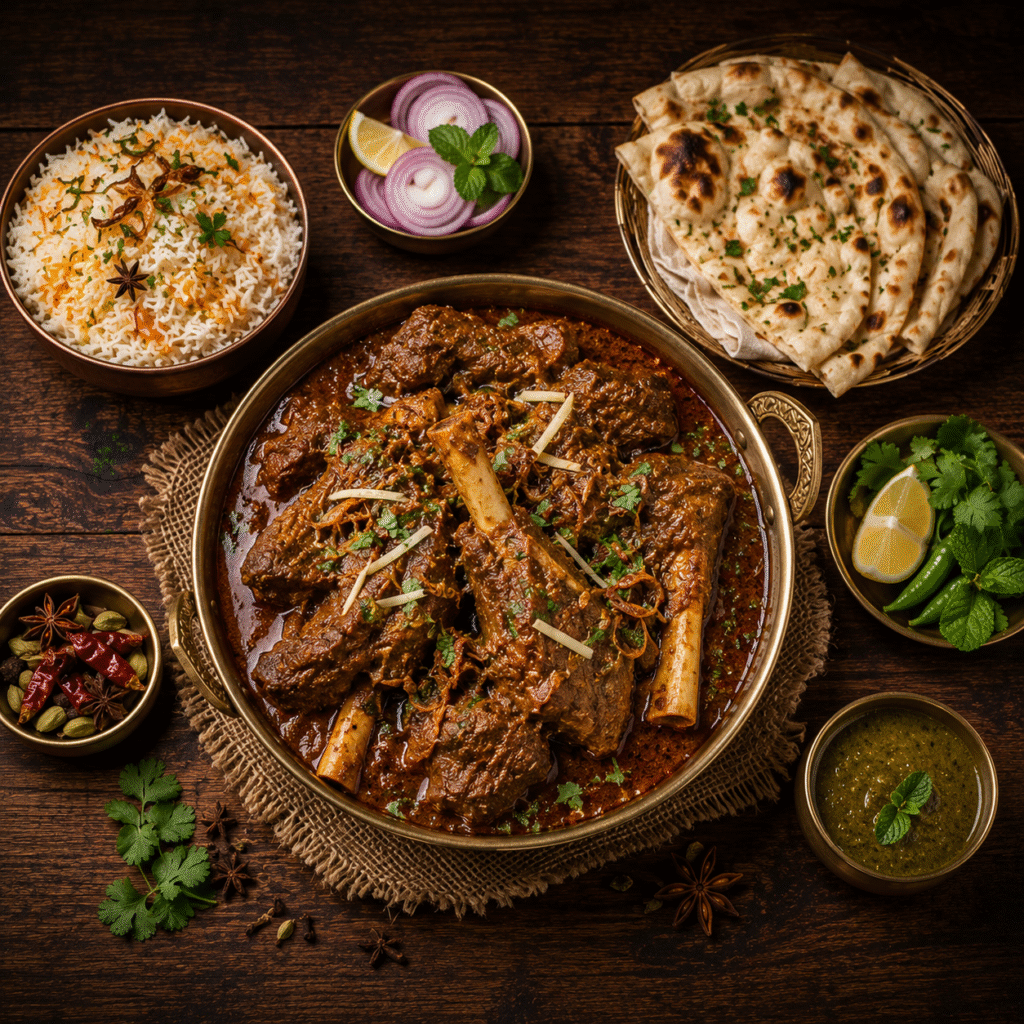
Nihari is a rich, slow-braised meat stew with roots in the royal kitchens of Lucknow and Old Delhi. Its name comes from “nihar,” meaning morning, because it was traditionally simmered overnight over dying embers so it would be ready to break the first fast of the day. But Nihari isn’t just a beautiful story — it’s essentially a deeply nourishing bone broth.
Hours of slow cooking pull collagen and marrow from the bones, which is why it was historically served to the frail and the recovering, believed to rebuild strength and ease joint pain.
Ragi Mudde: Karnataka’s Humble Superfood
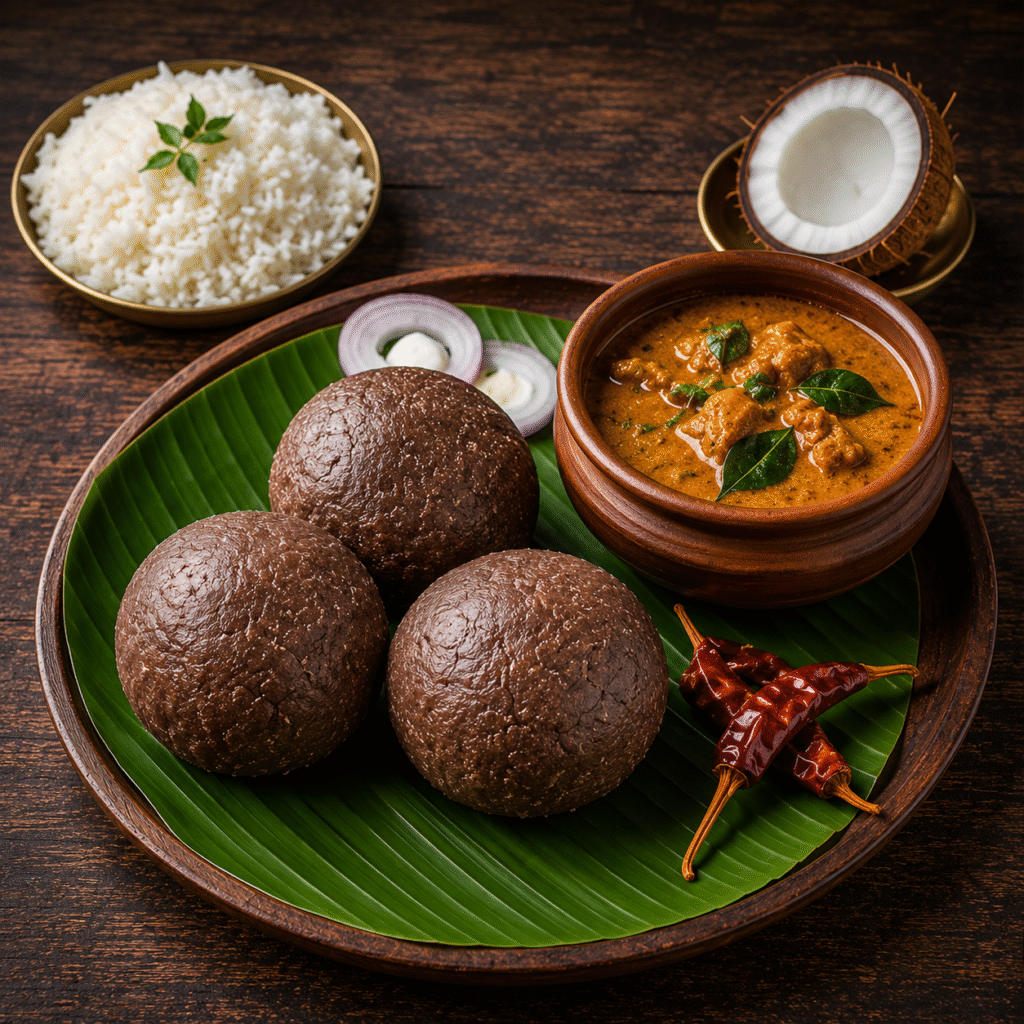
It doesn’t photograph like a showstopper, but Ragi Mudde — soft balls of finger-millet dough — has quietly sustained farming communities across Karnataka’s Deccan plateau for centuries.
Ragi thrives in dry soil where rice struggles, making it a lifeline crop long before “climate-resilient grain” was a phrase anyone used. Nutritionally, it’s packed with calcium and has a low glycemic index, which is exactly why it remains a household staple for people managing diabetes and bone health today.
Malabar Fish Curry: Kerala’s Coastal Secret
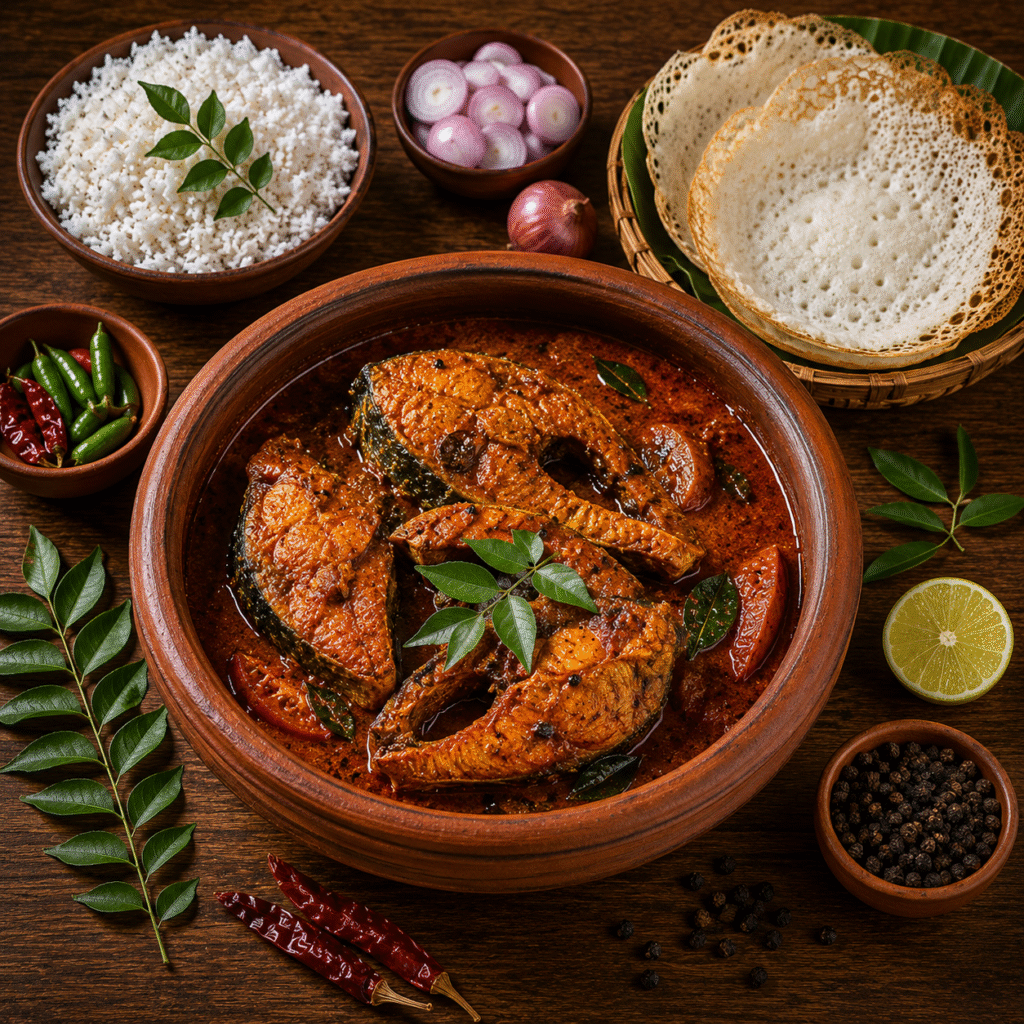
Built on kokum and coconut instead of tomato, Malabar Fish Curry carries a distinctive tang that sets it apart from curries elsewhere in India. Kerala’s coastal tradition treats kokum as a natural digestive aid that cools the body and eases bloating, while the fish — often sardine or mackerel — brings omega-3 fats that fishing communities have relied on for heart health for generations. The dish also tells a trade story: black pepper and coconut once made this coastline irresistible to merchants from Rome to Arabia.
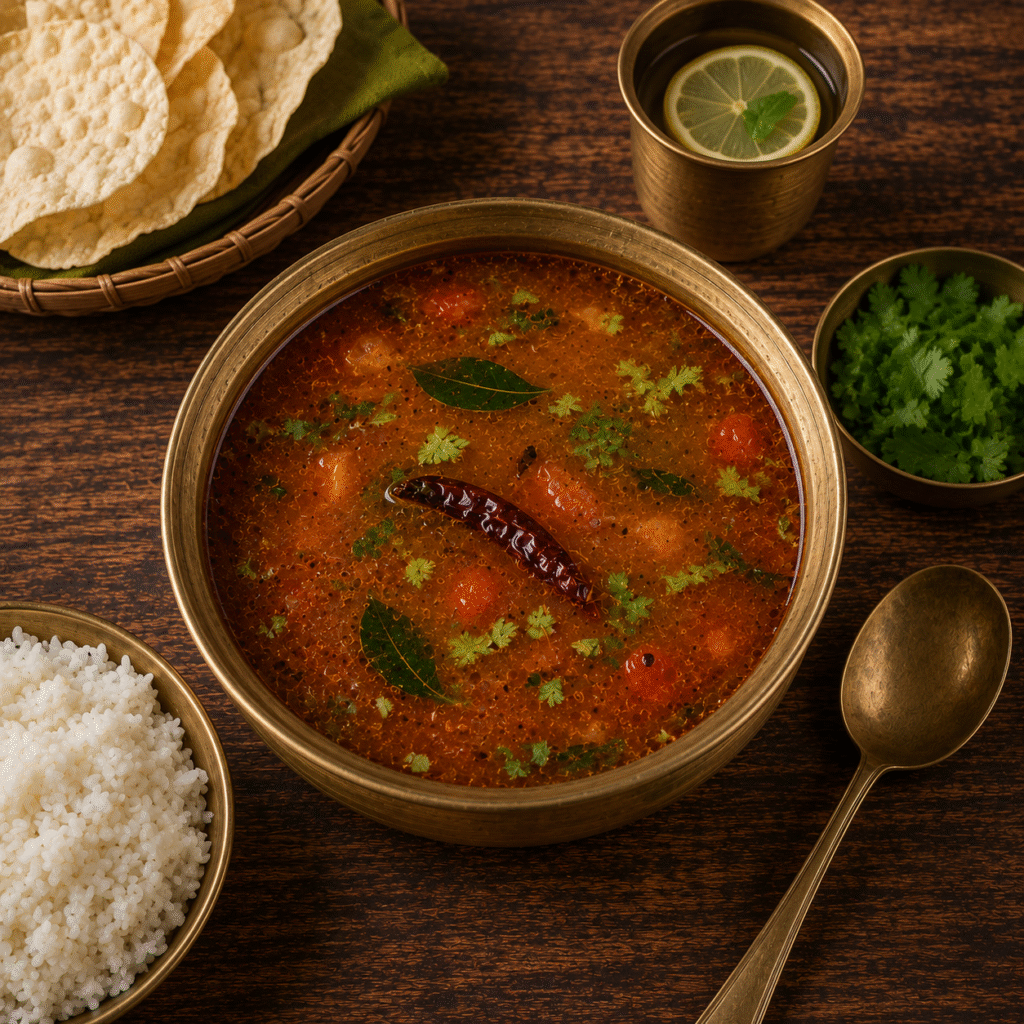
Rasam: Pepper Water to Empire
Rasam, on the other hand, carries a quieter, older kind of medicine. Its roots go back over a thousand years to Ayurvedic cooking traditions, where early versions weren’t eaten as a soup at all but used as a digestive tonic — a simple blend of tamarind water, pepper, and cumin meant to stimulate appetite and settle the stomach.
That original purpose still holds ingredients like cumin, ginger, and asafetida are chosen specifically to ease digestion, while black pepper is credited with speeding metabolism. The dish’s colonial afterlife is almost as interesting as its origin — it’s the direct ancestor of mulligatawny soup, a name that literally comes from the Tamil words for “pepper” and “water.”
Conclusion
From Old Delhi’s royal kitchens to Karnataka’s drought-hardened farms to Kerala’s spice-trade coastline, every dish here carries a story bigger than what’s on the plate.
Nihari warmed nobles and laborers alike, Ragi Mudde fueled farmers through dry seasons, Malabar Fish Curry rode ancient trade winds, and Rasam quietly became the British Empire’s favorite soup. Indian food was never just about taste — every spice was chosen with purpose, to heal, sustain, and comfort. So, the next time you sit down to eat, know you’re tasting centuries of quiet care, one recipe at a time.
 vikramdnest@gmail.com
 VISHNU KANAPARTHI